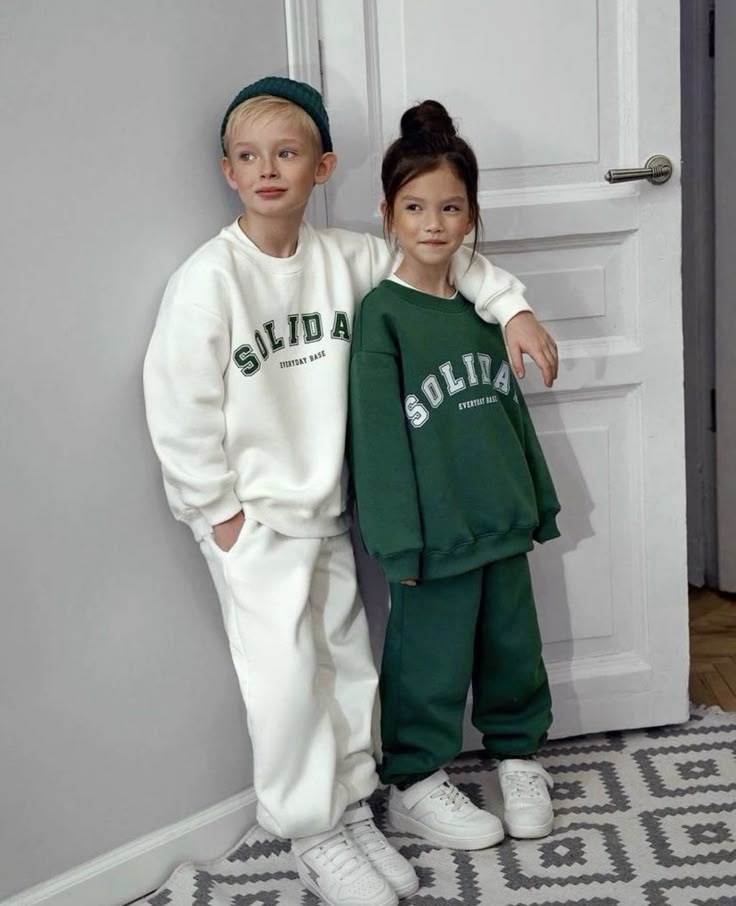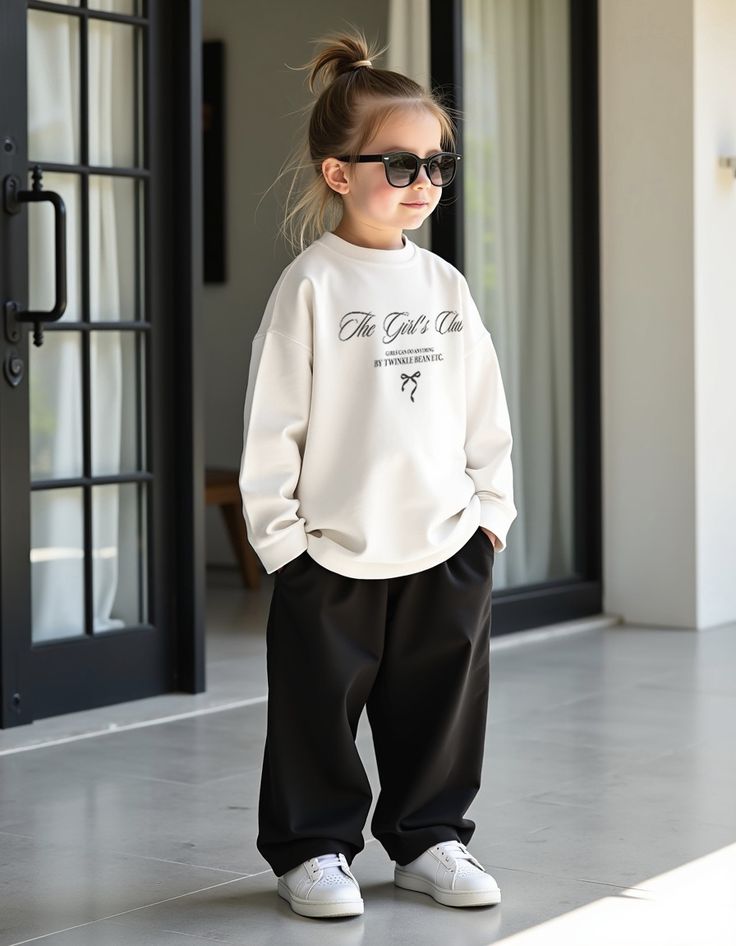
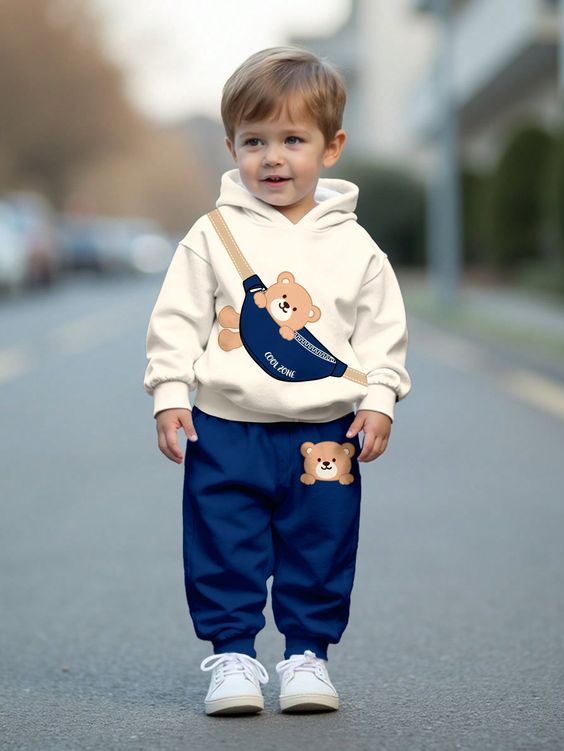
Everyday kidswear plays a quiet but essential role in a child’s daily life. From morning routines to playtime, learning, and rest, what children wear can influence how they move, feel, and interact with the world around them. Simple fashion choices, when made thoughtfully, help create comfort, confidence, and joy for little ones—without unnecessary complexity.
In a world filled with fast-changing trends, everyday children’s clothing stands out by focusing on what truly matters: ease, softness, and practicality that supports happy childhood moments.
Why Simplicity Matters in Children’s Clothing
Children experience the world through movement. They crawl, run, jump, sit on the floor, and explore without hesitation. Clothing that is overly structured or decorative can restrict this natural freedom. Simple kidswear removes barriers, allowing children to focus on play and discovery rather than adjusting uncomfortable outfits.
Minimal design does not mean boring. Clean lines, gentle colors, and thoughtful details can create clothing that feels calm and inviting. When outfits are easy to wear and easy to move in, children are more relaxed—and relaxed children are happier children.
Comfort as the Foundation of Everyday Wear
Comfort is the heart of everyday kidswear. Soft fabrics, breathable materials, and flexible fits ensure that children can stay comfortable from morning to bedtime. Clothing should feel gentle on the skin and adapt easily to different activities throughout the day.
Well-designed everyday clothing avoids tight seams, stiff waistbands, or heavy textures. Instead, it prioritizes lightness and softness, helping children stay focused on what they love—playing, learning, and spending time with family.
Comfort also supports emotional well-being. When children feel physically at ease, they are less irritable and more confident in unfamiliar environments such as school, daycare, or social settings.
Practical Design for Real Life
Parents value clothing that works in real-life situations. Everyday kidswear is designed with practicality in mind—easy to put on, simple to take off, and durable enough to handle daily wear and frequent washing.
Practical features like pull-on styles, elastic waists, and relaxed fits save time during busy mornings. Clothing that holds its shape and softness after multiple washes reduces stress for parents and ensures consistency for children.
Everyday fashion succeeds when it fits seamlessly into daily routines rather than complicating them.
Supporting Natural Movement and Play
Children need freedom to move. Everyday kidswear should support natural body movement without restriction. Flexible fabrics and thoughtfully designed silhouettes allow kids to bend, stretch, and run comfortably.
When clothing supports movement, it encourages physical activity, which is essential for healthy growth and development. Kids who feel unrestricted are more likely to engage in play, explore confidently, and express themselves freely.
Clothing that moves with the child—not against them—becomes a quiet partner in their everyday adventures.
Simple Style That Grows With Your Child
Style in everyday kidswear is not about trends; it’s about versatility. Neutral tones, soft colors, and timeless shapes allow clothing to be mixed and matched effortlessly. This flexibility makes dressing easier and reduces the need for excessive wardrobe changes.
As children grow, simple styles remain relevant. Clothing that is not overly trend-driven can be worn longer, passed down, or reused—making it both practical and sustainable.
Simple fashion choices help parents build wardrobes that grow alongside their children, adapting naturally to different stages of childhood.
Encouraging Independence Through Easy Clothing
Everyday kidswear can support independence. When children are able to dress themselves easily, they gain confidence and a sense of responsibility. Simple designs without complicated fastenings empower children to take small but meaningful steps toward independence.
This sense of accomplishment—buttoning a top, pulling on pants, choosing an outfit—builds confidence and encourages self-expression. Clothing becomes part of learning, not an obstacle.
Creating a Calm and Happy Wardrobe
A wardrobe built around everyday essentials creates a sense of calm. When clothing options are comfortable, familiar, and easy to combine, children experience less stress when getting dressed.
For parents, fewer complicated choices mean smoother mornings. For children, familiar and comfortable outfits create emotional security. This balance supports happier days for the entire family.
Everyday kidswear works best when it simplifies life rather than adding unnecessary decisions.
The Emotional Impact of What Children Wear
Children may not articulate how clothing makes them feel, but the impact is real. Comfortable, simple outfits help children feel safe, confident, and ready to engage with the world.
When children like how their clothes feel, they move more freely, interact more openly, and approach new experiences with curiosity rather than hesitation. Everyday fashion quietly supports these positive emotional experiences.
Choosing Quality Over Quantity
Everyday kidswear encourages a mindful approach to fashion. Instead of filling closets with rarely worn items, parents can focus on a smaller selection of high-quality essentials.
Quality clothing lasts longer, feels better, and performs consistently. This approach not only benefits families but also supports more responsible consumption habits—something many parents value deeply.
Conclusion
Everyday kidswear is about more than clothing—it’s about creating an environment where children feel comfortable, confident, and free to be themselves. Simple fashion choices support active play, emotional well-being, and practical daily routines.
By focusing on comfort, movement, and timeless style, everyday children’s clothing becomes a foundation for happy little moments—quietly supporting childhood in all its energy, curiosity, and joy.
In the end, the best kidswear doesn’t try to stand out. It simply works—day after day—helping children feel good as they grow, explore, and enjoy being kids.