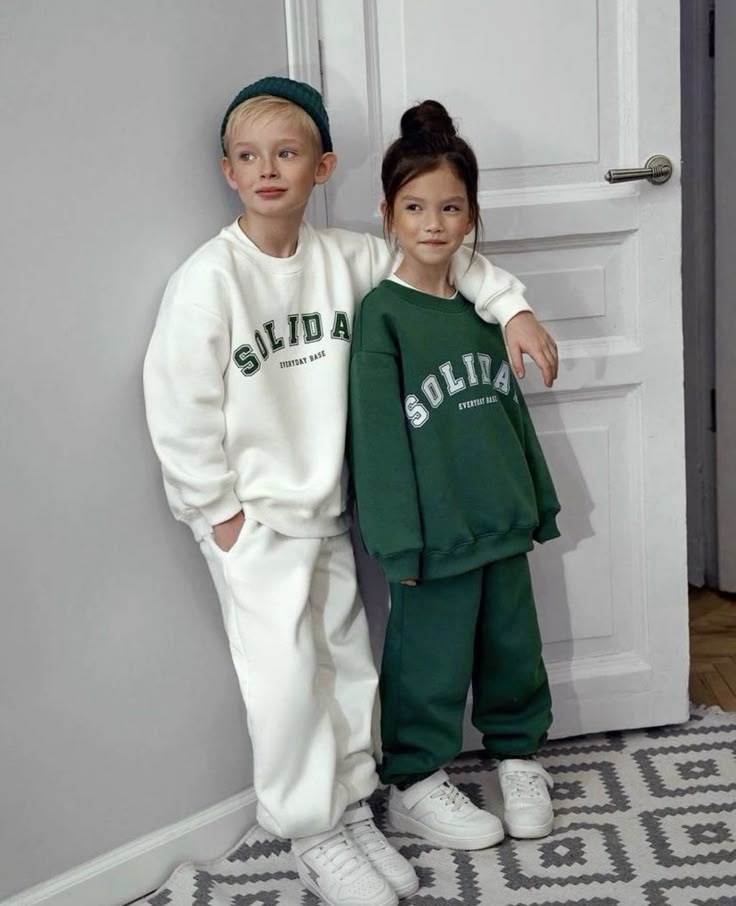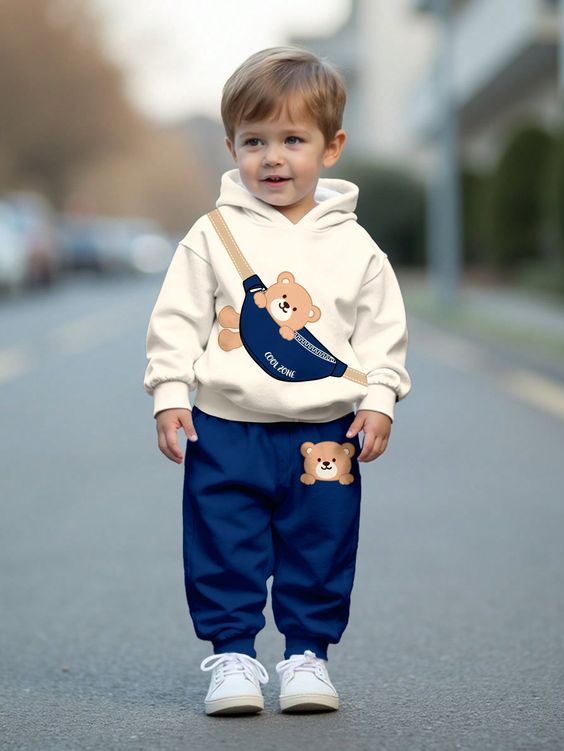
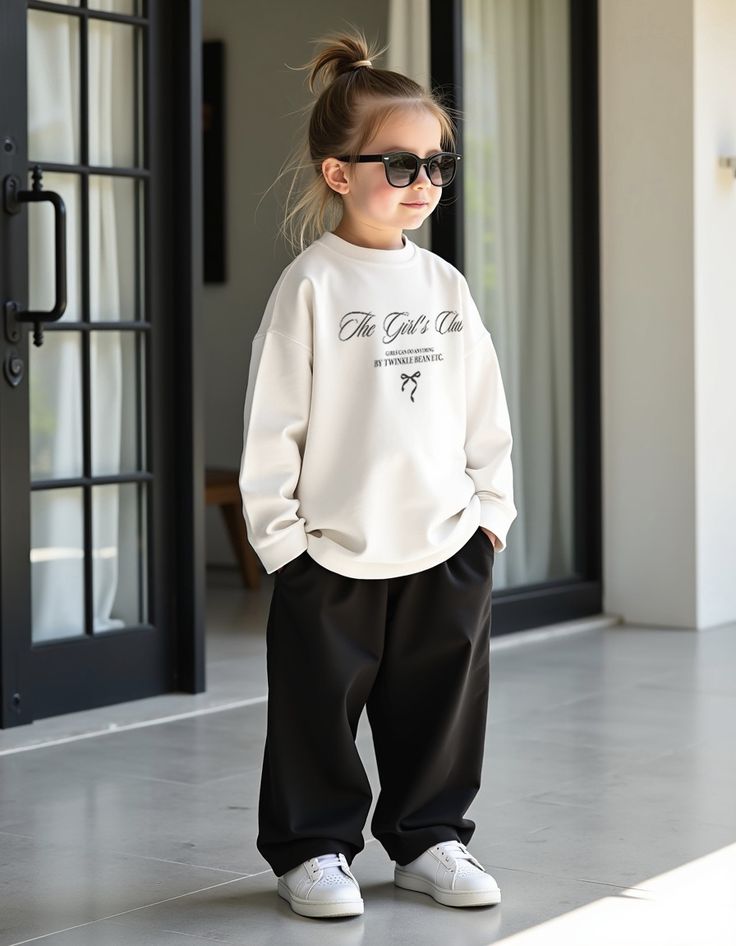
Children’s fashion today is no longer just about making kids look cute. It has evolved into a thoughtful balance of comfort, safety, and style—three elements that parents care deeply about and children experience every day. Clothing plays a quiet but powerful role in how children move, feel, and express themselves. When designed with intention, kidswear can support healthy development while still reflecting personality and modern aesthetics.
In this article, we explore how children’s fashion successfully blends these essential factors, and why each one matters more than it may seem at first glance.
The Importance of Comfort in Children’s Clothing
Comfort is the foundation of good children’s fashion. Unlike adults, children spend most of their day in constant motion—running, climbing, sitting on the floor, playing, learning, and resting. Clothing that restricts movement or causes irritation can quickly become a distraction and affect a child’s mood and behavior.
Soft textures, flexible fits, and breathable fabrics are key elements of comfort. Seams should be smooth, waistbands gentle, and silhouettes designed to move naturally with the body. When children feel comfortable in what they wear, they are free to focus on what truly matters: exploring the world, learning new skills, and enjoying their daily routines.
Comfortable clothing also supports emotional well-being. Children who feel at ease in their outfits tend to feel more confident and secure, especially in new environments such as school, daycare, or social gatherings.
Why Safety Is a Non-Negotiable Factor in Kids’ Fashion
Safety is not always visible, but it is one of the most critical aspects of children’s clothing. Thoughtful design choices can significantly reduce risks and create a safer wearing experience.
Safe children’s fashion avoids small detachable parts, sharp accessories, or long cords that could pose choking or entanglement hazards. Buttons, zippers, and fastenings must be securely attached and age-appropriate. For younger children, simple closures and minimal hardware are often the safest option.
Fabric safety also plays an important role. Non-toxic dyes, skin-friendly materials, and proper manufacturing standards help protect children from allergic reactions or skin irritation. Parents increasingly look for clothing that meets recognized safety guidelines, especially for babies and toddlers with sensitive skin.
By prioritizing safety in design and production, children’s fashion becomes something parents can trust—not just something children wear.
Choosing the Right Fabrics for Healthy Wear
Fabric selection has a direct impact on both comfort and safety. Natural, breathable materials allow air to circulate and help regulate body temperature, reducing discomfort throughout the day. Lightweight fabrics are especially important for active children who move frequently and generate body heat quickly.
The feel of the fabric against the skin matters just as much as its function. Gentle textures help prevent rashes, itching, and irritation, which is particularly important for young children who cannot always express discomfort clearly.
Durability is another factor parents value. High-quality fabrics maintain their softness and shape even after repeated washing, ensuring that clothes remain comfortable and reliable over time. Clothing that lasts longer also supports more sustainable consumption habits.
Designing Clothes That Support Movement and Growth
Children grow quickly, and their clothing needs to keep up. Good kidswear design considers flexibility not only in fit but also in longevity. Adjustable waistbands, relaxed cuts, and forgiving silhouettes allow garments to adapt to growth spurts without becoming uncomfortable or restrictive.
Clothing should support natural movement rather than dictate it. Stretchable materials and thoughtful construction help children bend, reach, and play without limitation. This freedom of movement encourages physical activity, which is essential for healthy development.
Well-designed children’s clothing respects the fact that kids are not miniature adults. Their proportions, needs, and behaviors are unique, and fashion that acknowledges this difference performs better in real life.
The Role of Style in Children’s Self-Expression
Style may seem secondary when it comes to children’s fashion, but it plays a meaningful role in self-expression. As children grow older, they begin to develop preferences and a sense of identity. Clothing becomes one of the first ways they express who they are.
Colors, patterns, and simple design details can help children feel excited about getting dressed. When kids like what they wear, they are more likely to feel confident and positive about themselves. This sense of ownership over personal style can be empowering, even at a young age.
Modern children’s fashion often balances playful elements with clean, timeless design. This approach allows clothes to feel current without being overly trendy, making them versatile for everyday wear.
Balancing Practicality With Aesthetic Appeal
Parents often face the challenge of choosing clothing that looks good while still being practical. Children’s fashion succeeds when it brings these two priorities together.
Practical features such as easy-on designs, machine-washable fabrics, and durable construction make life easier for caregivers. At the same time, thoughtful color palettes and simple styling ensure that garments remain visually appealing.
The best children’s clothing does not force parents to choose between beauty and function. Instead, it integrates both seamlessly, proving that practicality can coexist with style.
How Parents Make Thoughtful Fashion Choices
Parents today are more informed and intentional about what their children wear. Beyond appearance, they consider comfort, safety, fabric quality, and ethical production practices. Shopping decisions are often influenced by trust—trust in the brand, transparency in policies, and consistency in quality.
Clear product descriptions, honest imagery, and reliable sizing information help parents feel confident in their purchases. Brands that communicate openly and prioritize customer care tend to build long-term relationships with families.
Children’s fashion is not just about selling clothes; it’s about supporting parents in making responsible choices for their children.
Sustainability and Responsibility in Kidswear
Sustainability has become an increasingly important topic in children’s fashion. Parents are more aware of the environmental impact of clothing production and seek brands that act responsibly.
Durable garments that can be worn longer, passed down, or reused reduce waste. Ethical sourcing and mindful manufacturing practices reflect a commitment to the future—one that aligns closely with the values of families raising the next generation.
Responsible children’s fashion looks beyond short-term trends and focuses on lasting quality, both in materials and in design philosophy.
Modern Trends Shaping Children’s Fashion Today
Current trends in kidswear emphasize simplicity, versatility, and comfort-driven design. Neutral tones, soft pastels, and timeless patterns are favored for their adaptability and calming visual appeal.
There is also a growing appreciation for unisex styles and inclusive sizing, allowing children greater freedom to choose what feels right for them. Fashion for children is becoming less about rigid categories and more about individuality and ease.
These trends reflect a broader cultural shift toward mindful living and authenticity—values that resonate strongly with modern families.
Creating a Wardrobe That Grows With Your Child
A well-curated children’s wardrobe focuses on essentials that work together effortlessly. Versatile pieces that can be mixed and matched simplify daily dressing and reduce unnecessary purchases.
By choosing clothing that prioritizes comfort, safety, and timeless style, parents can create wardrobes that support their child’s daily life while remaining practical and aesthetically pleasing.
Children’s fashion, when done right, becomes a quiet partner in growth—adapting, supporting, and evolving alongside the child.
Conclusion
Children’s fashion is most powerful when it balances comfort, safety, and style in equal measure. Each element plays a vital role in shaping how children experience their clothing and how parents feel about their choices.
Comfort allows children to move freely and confidently. Safety provides reassurance and protection. Style encourages self-expression and joy. Together, these factors create clothing that truly serves children and the families who care for them.
In the end, great children’s fashion is not about trends or appearances alone. It’s about thoughtful design that respects childhood—active, curious, and full of life.