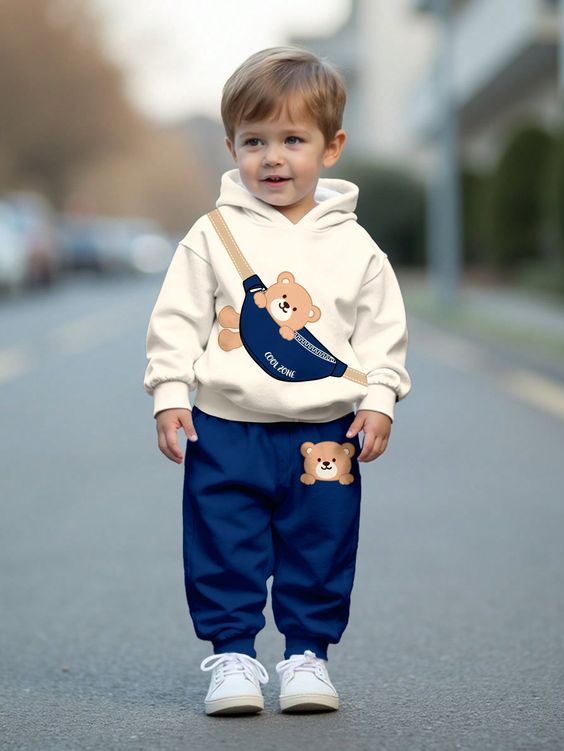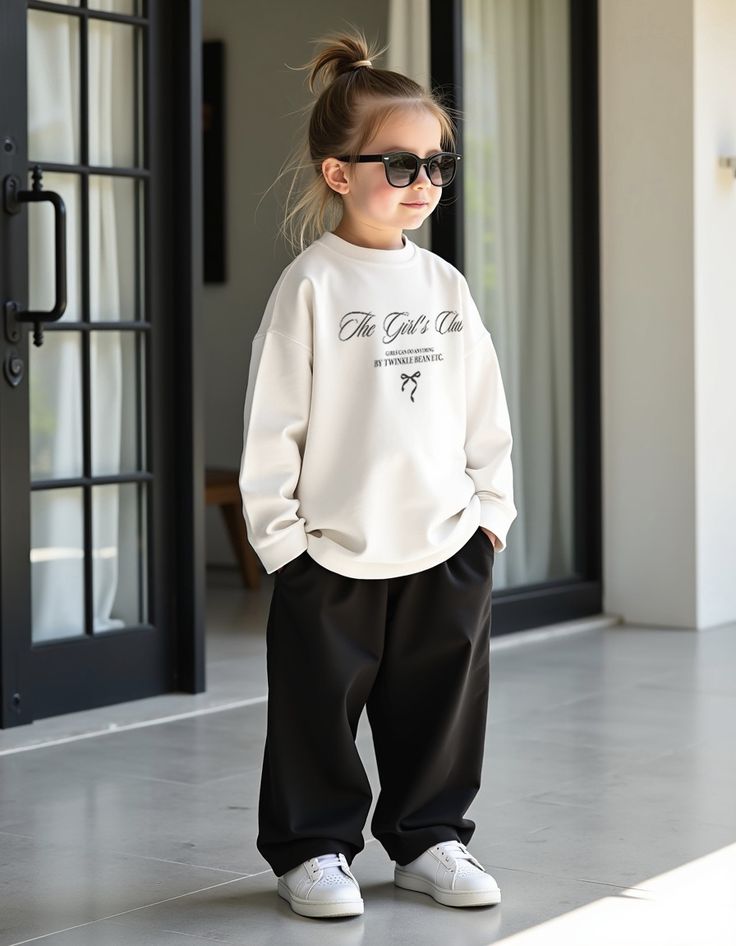
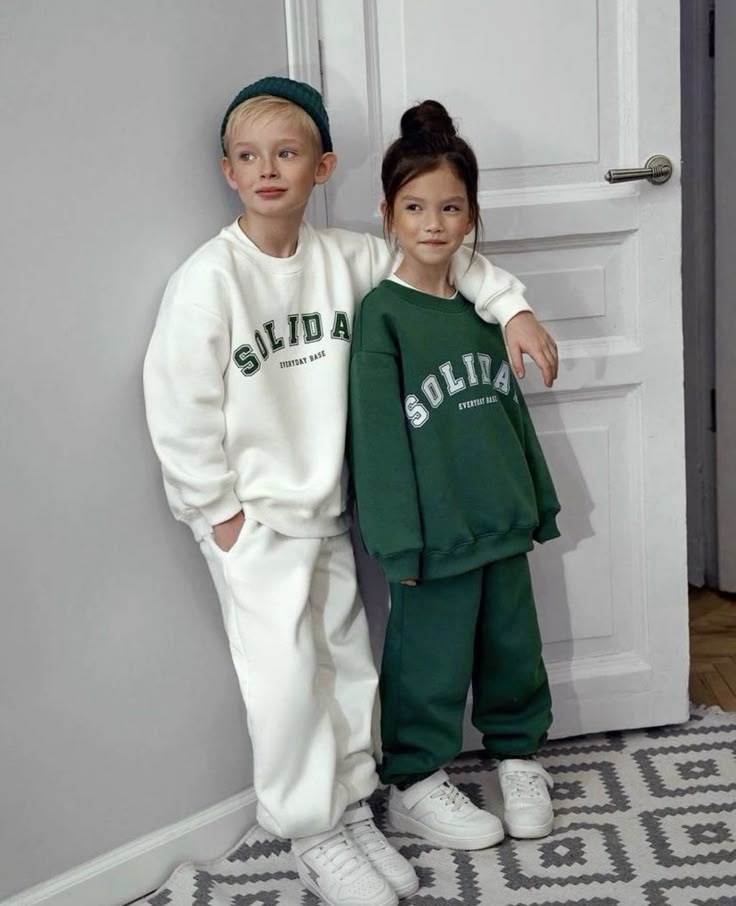
Choosing clothes for babies and young children is about much more than appearance. For parents, every clothing decision involves comfort, safety, practicality, and trust. Children experience the world through movement, touch, and play, which means what they wear has a direct impact on how they feel and behave throughout the day.
Understanding what truly matters when selecting children’s clothing helps parents make confident choices that support both daily routines and long-term well-being.
Comfort Comes First—Always
Comfort is the most important factor in children’s clothing. Babies and kids have sensitive skin and developing bodies, so clothing should feel soft, light, and gentle at all times. Fabrics that are breathable and smooth help regulate body temperature and prevent irritation, especially during active play or sleep.
Uncomfortable clothing can distract children, affect their mood, and even disrupt rest. When children feel comfortable, they move more freely, sleep better, and remain calmer in new or busy environments.
Fabric Choice Matters More Than Style
Not all fabrics are suitable for children. Parents should prioritize materials that are breathable, flexible, and skin-friendly. Soft natural or well-tested blended fabrics tend to perform best for everyday wear.
Stiff textures, heavy fabrics, or materials that trap heat can cause discomfort, especially for babies who cannot communicate irritation clearly. Clothing that adapts to movement and temperature changes supports healthier daily experiences for children.
Proper Fit Supports Healthy Movement
Children grow quickly, and their clothing should accommodate that growth without restricting movement. Clothes that are too tight can limit flexibility, while overly loose garments may cause discomfort or safety concerns.
Well-designed kidswear allows room for movement, crawling, stretching, and running while maintaining a secure and comfortable fit. Elastic waistbands, relaxed silhouettes, and flexible seams help children move naturally and confidently.
Safety Should Never Be Overlooked
Safety is a key consideration when choosing clothes for babies and kids. Parents should look for designs that avoid unnecessary hazards such as sharp accessories, long cords, or poorly secured decorations.
Clothing intended for young children should be age-appropriate, thoughtfully constructed, and designed with daily activity in mind. Safe clothing allows children to explore freely while giving parents peace of mind.
Simplicity Makes Everyday Life Easier
Simple clothing designs help streamline daily routines. Easy-to-wear pieces reduce stress during busy mornings and allow children to dress and undress with minimal assistance as they grow.
Simple kidswear also encourages independence. When children can manage their own clothing, they build confidence and develop practical life skills. Small achievements—like putting on a shirt or pulling up pants—support emotional growth.
Durability Is Essential for Active Childhoods
Children’s clothes go through frequent washing, active play, and daily wear. Durable construction ensures that clothing maintains its shape, softness, and color over time.
Parents benefit from choosing quality pieces that last longer and remain comfortable after repeated use. Durable clothing not only saves money but also supports more sustainable consumption habits.
Style Should Feel Natural, Not Forced
Style in children’s clothing works best when it feels effortless. Neutral colors, gentle tones, and timeless shapes allow outfits to be mixed and matched easily. This flexibility simplifies wardrobe planning and keeps children comfortable in different settings.
Rather than following fast-changing trends, parents often find value in classic designs that grow with their children and remain appropriate across seasons.
Emotional Comfort Is Just as Important
Children may not express discomfort verbally, but clothing can influence their emotional state. Familiar, comfortable outfits provide a sense of security, especially in new environments such as daycare or social gatherings.
When children feel good in what they wear, they are more confident, relaxed, and open to exploration. Clothing becomes part of a positive daily experience rather than a distraction.
Trust the Brand, Not Just the Look
Parents should feel confident about where their children’s clothes come from. Transparent brands that clearly communicate their values, materials, and policies help build trust.
Knowing who designs the clothing, how it is made, and what standards are followed allows parents to make informed decisions that align with their expectations for quality and responsibility.
Conclusion
Choosing clothes for babies and kids is a thoughtful process that balances comfort, safety, practicality, and trust. By focusing on soft fabrics, proper fit, simple design, and reliable quality, parents can build wardrobes that support happy, healthy childhoods.
The best children’s clothing works quietly in the background—allowing kids to play, grow, and explore with ease while giving parents confidence in every choice they make.